
Slab Leak Repair in Terrell, TX That Gets It Fixed
A slab leak can quietly destroy your foundation. Call us before it gets worse.
Signs You've Got a Slab Leak in Terrell
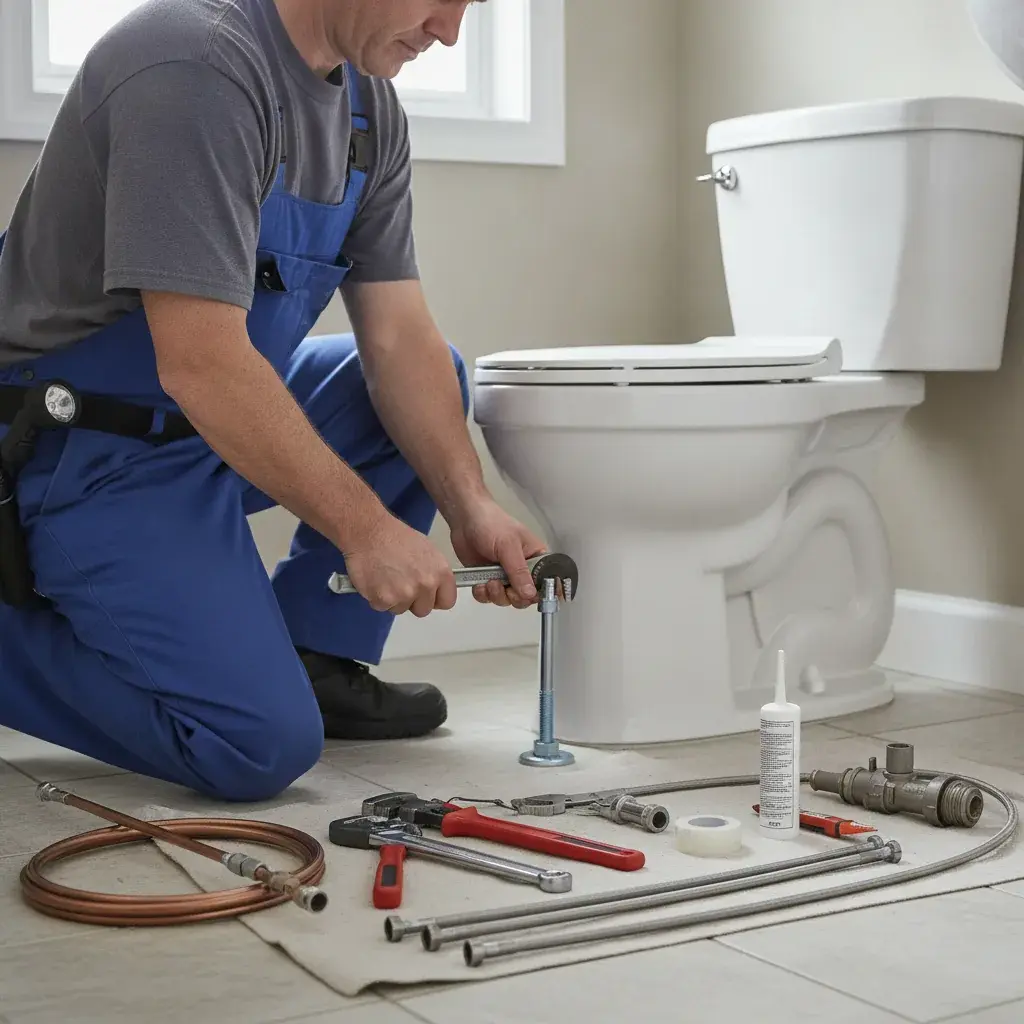
Terrell sits on Kaufman County's Blackland Prairie clay soil. That clay shifts with every rain and dry spell. Over time, it stresses the pipes buried under your foundation. We've seen this cause slab leaks in homes all along Rockwall Road and in older neighborhoods near Frances Street. Watch for hot spots on your floor. Listen for running water when nothing's on. Check if your water bill jumped for no reason. Cracks in your walls or floors can also point to a leak under the slab. Wet or damp carpet is another red flag. These signs mean the problem is already growing, and waiting makes the repair bigger and more expensive. Common warning signs of a slab leak include unexplained increases in your water bill and warm spots underfoot.[1]
Shifting Clay Soil
Kaufman County's clay expands when wet and shrinks when dry. That constant movement bends and cracks pipes under your slab.
Aging Galvanized Pipes
Homes built before the 1970s often have galvanized steel supply lines. These corrode from the inside out and eventually fail under the slab.
High Water Pressure
Too much pressure wears down pipe joints and fittings over time. It's a common issue in Terrell homes that don't have a pressure regulator installed.
Post-Freeze Pipe Damage
Winter Storm Uri in 2021 hit Kaufman County hard. Pipes that froze and thawed can develop slow leaks under the foundation that show up months later.
Abrasion from Concrete
Copper pipes that rub against concrete as they expand and contract wear thin over years. Eventually a pinhole forms and water starts escaping under your floor.
Poor Original Installation
Some builder-grade plumbing in older Terrell subdivisions wasn't installed with enough protection. Weak joints and bad fittings fail under slab pressure.
Why Terrell Homeowners Trust Us for Slab Leak Repair
A slab leak left alone can undermine your foundation. Water migrates through the soil, erodes the base under your home, and leads to serious structural damage. We've been fixing slab leaks in Terrell and the surrounding Kaufman County area since 2009. Mark Burchett founded this company on the idea that homeowners deserve straight answers and solid work. We locate the leak accurately before we ever touch your slab. That saves you money and gets your home back to normal faster.
What to Expect When You Call
Get Your Slab Leak Fixed Today
Don't let a hidden leak keep damaging your home. Our plumber services team is ready around the clock to find it and fix it right.
How Slab Leak Repair Works
We keep the process straightforward so you know exactly what's happening at every step.
We Find the Leak First
We use leak detection equipment to pinpoint the exact location under your slab. This avoids unnecessary cutting. You don't want us guessing where to break concrete.
We Explain Your Options
Once we know where the leak is, we walk you through the repair options. Depending on your pipe type and age, that might mean a spot repair or a full repipe. We give you the honest recommendation, not the most expensive one.
We Fix It and Back the Work
We complete the repair and restore your water service. The job is backed by our 90-day repair warranty. Before we leave, we confirm everything is working and the leak is gone.
Slab Leak Repair Cost in Terrell, TX
Slab leak repair pricing in Terrell depends on a few key factors. The location of the leak under your slab matters a lot. So does the pipe material and how deep the line runs. Older homes near Frances Street with galvanized supply lines often need more work than newer builds. We give you a clear quote before anything starts. No hidden fees, no surprise add-ons after the job. We offer competitive pricing and we won't pad the bill.
Slab Leak Repair Questions Answered
Here are the questions we hear most from Terrell homeowners dealing with a slab leak.
-
How much does slab leak repair cost in Terrell?
Most slab leak repairs in Terrell run between $500 and $4,000 or more. The price depends on where the leak is. It also depends on what type of pipe it involves. Finally, it depends on how much concrete needs to be cut. We give you a firm quote before work starts so there are no surprises.
-
How long does a slab leak repair take?
Most repairs take one day. Some jobs with deeper pipes or older galvanized lines take a bit longer. We'll give you a realistic time estimate after we locate the leak. We work to get your water back on as fast as possible.
-
Can I fix a slab leak myself?
No. Slab leak repair requires cutting concrete, working under your foundation, and making plumbing connections that must pass inspection. This is not a DIY job. Getting it wrong can cause more damage and cost more to fix later. Call a licensed plumber.
-
Is a slab repipe better than a spot repair?
It depends on the age of your pipes. If your home has original galvanized lines from the 1950s or 1960s, one leak usually means others are coming. In that case, a full repipe saves money over time. For newer copper or PEX lines, a spot repair often makes more sense.
-
How urgent is a slab leak?
Very urgent. Water under your slab moves through the soil and erodes the base your foundation sits on. Over time that causes cracks and settling. The longer you wait, the bigger the repair. Call us the same day you notice the signs.
-
What are the signs I have a slab leak?
The most common signs are a water bill that jumped without explanation. You might also see warm or wet spots on your floor. You might hear running water when all your fixtures are off. You might also notice cracks forming in your walls or floors. Any one of these warrants a call.
-
Does Kaufman County clay soil make slab leaks more common?
Yes, and we see this all the time in Terrell. The Blackland Prairie clay expands when it rains and shrinks hard in a dry summer. That movement puts constant stress on pipes buried under your slab. It's one reason slab leaks are more common here than in areas with stable sandy soil.